Frozen Pipes in Arkansas: Prevention and What to Do if One Bursts
A little preparation before a freeze, and a clear plan for the first few minutes, limits most of the damage.
October 1, 2026 · 4 min read
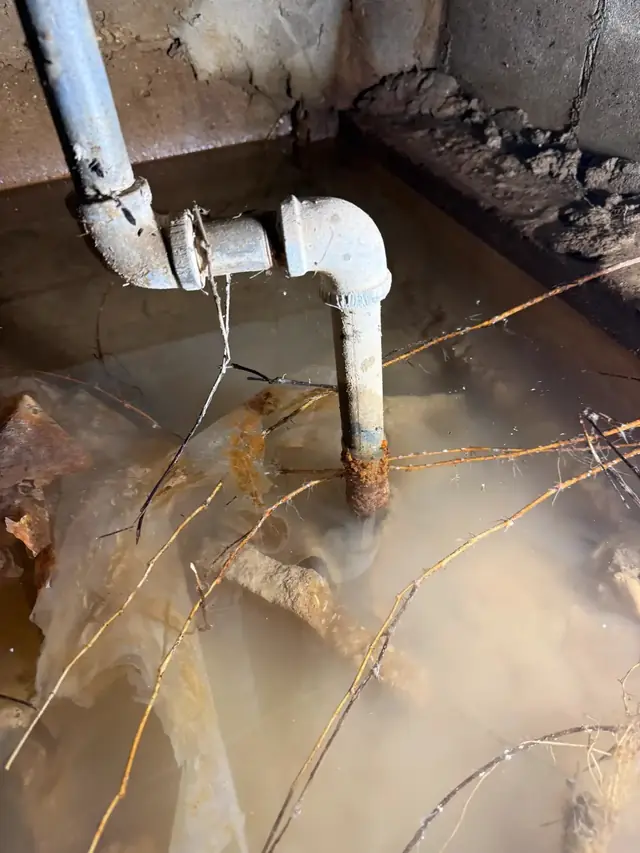
Arkansas winters don't stay cold all the time, and that's part of the problem. Houses here are often built with plumbing that's perfectly fine most of the season, then a hard freeze arrives and finds every exposed pipe at once. Water expands as it freezes, the pipe takes the pressure, and the real damage often shows up when things thaw and water pours out of the split. A bit of preparation and a clear plan for the first few minutes make a large difference.
Where pipes freeze first
Pipes freeze where cold air reaches them and nothing warms them back up. The usual trouble spots are crawl spaces, especially ones with open vents or missing insulation, along with pipes running through exterior walls, unheated garages, attics and utility rooms on the outside edge of the house. Outdoor hose bibs are the other big one. A garden hose left attached traps water in the spigot, and the freeze splits the pipe behind the wall where you can't see it until spring.
Before a hard freeze
You don't need special equipment. Most of this takes an afternoon:
- Disconnect garden hoses and, if you have an interior shutoff for outdoor spigots, close it and drain the line.
- Open the cabinet doors under sinks on exterior walls so warm air from the room can reach the pipes.
- Let faucets on those exterior walls drip slowly during the coldest nights. Moving water is much harder to freeze.
- Keep the thermostat set steady, even when you're away. Dropping it low to save energy invites trouble.
- Seal obvious gaps where cold air enters a crawl space or garage, and insulate exposed pipes you can reach.
- Find your main water shutoff valve now, and make sure it actually turns.
That last item deserves a minute of attention. A main shutoff you've never touched can be seized with age, and you don't want to learn that while water is running across the floor. If it won't turn easily, or it drips around the handle, that's a repair worth scheduling before the cold arrives.
If a pipe is frozen but hasn't burst
If a faucet runs a trickle or nothing at all in cold weather, a pipe may be frozen solid. Open that faucet, since it gives the water somewhere to go as it thaws. You can warm the pipe gently with a hair dryer or by raising the temperature in the room. Never use an open flame, a torch or a heater that gets hot enough to scorch. A flame can start a fire inside a wall, and rapid heating can crack a pipe that had survived the freeze. If you can't find the frozen section, or you see any sign of a crack or bulge, stop and call a plumber.
The first minutes after a pipe bursts
Speed matters more than anything else here, and the order matters too. This is what to do:
- Shut off the main water valve. If it's safe to reach, this stops the flow at the source.
- If water is near outlets, appliances, or the electrical panel, turn off power to that area only if you can do it without standing in water.
- Move valuables, rugs and electronics away from the affected area.
- Open a faucet at the lowest point in the house to help drain what's left in the pipes.
- Take photos of the damage for your records before you start cleaning up.
- Call a plumber so the pipe can be repaired and the damage plan can start.
The advice from A Plus Plumbing of NWA is short and practical: if it's safe, shut off the main water valve and move valuables away from the affected area. Then call so they can help you stop the damage and plan the repair.
After the water is off
Shutting off the water stops the flood but not the problem. Wet drywall, insulation and flooring need to dry quickly, and a split pipe is rarely a single point of failure. The same cold that burst one pipe may have stressed others, so a good repair visit checks nearby runs and fittings, not just the one that gave out. Be ready to describe where the water came from, how long it ran, and whether any other fixtures acted strangely.
When to call
The office is open Monday through Friday, 8 to 5. For an urgent problem like an active leak or a burst pipe, call or text (479) 305-9107 and ask for the soonest available time. If you'd like to prevent the next freeze scare, the Maintenance Service Plan includes seasonal reminders about freeze protection and shutoff locations, and the Emergency Plumbing page covers what gets handled when water won't wait.
A Plus Plumbing of NWA, (479) 305-9107
Call (479) 305-9107More articles
Water Heater Repair or Replacement: How to Tell Which You Need
Most water heaters give warning signs before they quit, and some of those signs point to a small repair instead of a new tank.
Hidden Water Leaks: How to Find One Before It Costs You
The leaks you can see are the easy ones, so here's how to catch the ones you can't.