Sewage Backup in Your Home: Warning Signs and What to Do First
A backup is rarely a surprise in hindsight, so here's how to recognize the early signs and respond the right way.
October 1, 2026 · 4 min read
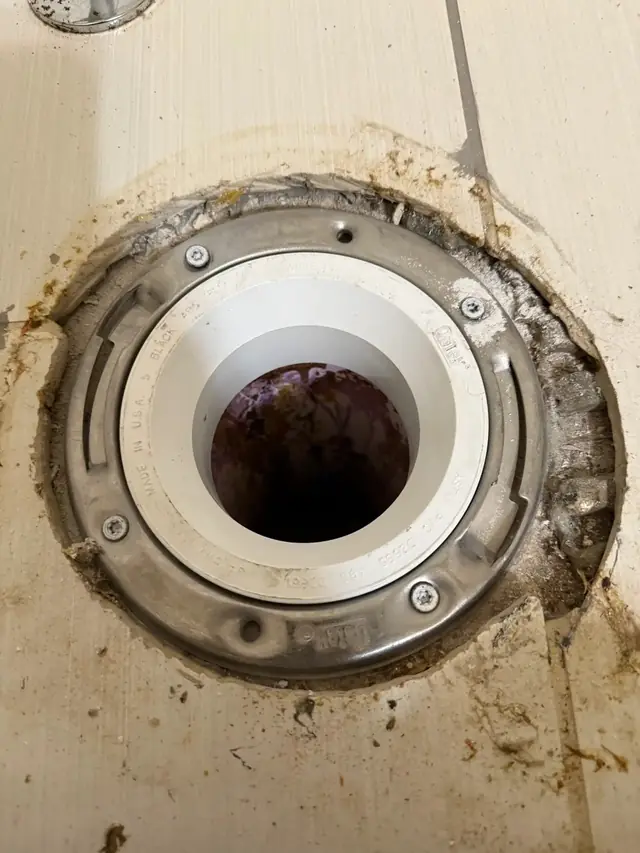
Nothing gets a homeowner's attention faster than wastewater coming up where it's supposed to go down. A sewage backup is unpleasant and it's a health concern, but it usually doesn't arrive without a warning. The drains were telling you something for days or weeks beforehand. This guide covers the signs to watch for, what tends to cause a backup, what to do and what to avoid in the first minutes, and how repair differs from replacement when the main line is involved.
Warning signs worth taking seriously
A single slow sink is usually a local clog. The pattern is what matters. When the whole house starts acting up together, the problem is more likely in the main line that carries everything out to the sewer or septic connection.
- Several drains running slowly at the same time.
- Gurgling from toilets or drains when another fixture is used.
- A toilet and a sink backing up together.
- Water or sewage coming up in the tub or shower when you flush or run the washer.
- Sewage odors in the house or in the yard.
- Wet or unusually lush spots in the yard above the sewer line.
If you see the first three, don't wait to see whether it clears itself. Backups tend to get worse and rarely correct on their own.
What causes a backup
Backups come from three broad places. The first is a clog, whether built-up grease and debris in a kitchen line, or wipes and other things that don't break down in a toilet line. The second is root intrusion, where tree roots work into a joint or crack in the main line, then grow into a mass that catches everything passing through. The third is a main line problem in the pipe itself: a section that has sagged and holds water, a cracked or separated joint, or a line that's collapsed. Older pipe is more prone to the last two.
Repeat clogs are a clue. When a drain keeps clogging, the cause can be buildup, pipe slope issues, roots, or a partial blockage in the main line. Clearing it again without learning why is just waiting for the next one.
What to do right away
If wastewater is backing up now, the first step is the simplest one: stop adding to it. Every flush, shower and load of laundry sends more water into a line that's already blocked, and it has to come out somewhere.
- Stop using water. No flushing, no showers, no dishwasher, no washing machine.
- Keep children and pets away from any standing wastewater.
- Keep the area ventilated, and avoid touching contaminated water with bare hands.
- If water is reaching outlets or appliances, stay clear and turn off power only where it's safe to do so.
- Call a plumber and describe which fixtures are affected and in what order.
What not to do
The reflex is to reach for a bottle of chemical drain cleaner. Resist it. As the plumbers at A Plus Plumbing of NWA put it, in many cases the answer is no: some chemicals can damage pipes and make future repairs harder, and if a drain keeps clogging, it's better to identify the cause and fix it correctly. On a full backup, there's another problem. Caustic liquid sitting in standing water becomes a hazard for whoever has to work on the line next.
Plunging a toilet that's backing up alongside a tub or sink is also a waste of effort. If more than one fixture is involved, the blockage isn't in the toilet.
Clearing the line, repairing it, or replacing it
Many backups end with a cleared line and a clear explanation of what caused it. Drain cleaning handles clogs and grease buildup, and it's the right first step when the line itself is sound. If you've been through repeated backups, or the plumber finds roots, a belly in the pipe, or a collapsed section, the conversation changes to repair or replacement.
A localized problem in one section can often be repaired without touching the rest. A collapsed line, severe root intrusion, or pipe material that has failed with age is a different story, and replacement may be the sounder choice. The right order is diagnosis first, so the cause is confirmed before anyone recommends major work, followed by clear options with the pros and cons of each.
The DRAIN25 offer, and your next step
If a plain drain cleaning is what you need, A Plus Plumbing of NWA lists a $25 Off Drain Cleaning offer, code DRAIN25. It covers kitchen, bath or main line drain cleaning, and you need to mention the code when you book.
For a backup in progress, or several slow drains that won't quit, call or text (479) 305-9107. The Drain Cleaning page covers how a clearing visit works, and the Sewer Line Repair and Replacement page explains the next step when the line itself is the problem.
A Plus Plumbing of NWA, (479) 305-9107
Call (479) 305-9107More articles
Water Heater Repair or Replacement: How to Tell Which You Need
Most water heaters give warning signs before they quit, and some of those signs point to a small repair instead of a new tank.
Hidden Water Leaks: How to Find One Before It Costs You
The leaks you can see are the easy ones, so here's how to catch the ones you can't.